The 20-20-20 Approach
A commonly discussed practice: every 20 minutes, look at something 20 feet away for 20 seconds. This simple approach gives your eyes a break from close-up screen focus.
Educational information about screen time awareness in workplaces
Modern work environments often require extended periods of screen use. Understanding the nature of this exposure is an important step in developing awareness about technology use.
Screen time encompasses all interactions with digital devices during work hours, including computers, tablets, and smartphones. The quality and purpose of this time varies significantly.
Active engagement in focused work differs from passive browsing or frequent email checking. Recognizing these distinctions helps in developing more intentional usage patterns.
Research from Finnish workplace studies indicates that awareness of screen time patterns is associated with employee interest in digital well-being topics.
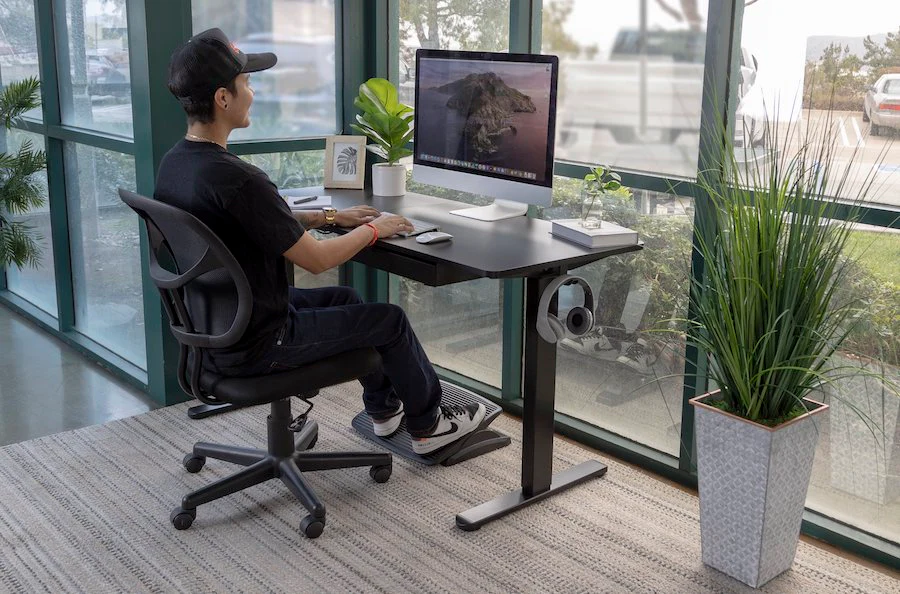
A commonly discussed practice: every 20 minutes, look at something 20 feet away for 20 seconds. This simple approach gives your eyes a break from close-up screen focus.
Consider setting regular intervals for stepping away from your screen. Even brief breaks of 5-10 minutes each hour may help maintain energy levels.
Try grouping similar digital tasks together rather than switching constantly between different types of work. This may reduce cognitive load.
Consider designating certain times or spaces as screen-free. This might include lunch breaks or specific meeting types where laptops remain closed.
Adjust brightness, contrast, and text size to reduce eye strain. Many devices offer blue light filters that can be activated during evening hours.
Position your screen at arm's length and slightly below eye level. Good ergonomics complement screen time management in supporting comfort.
Most devices include built-in tools for monitoring screen time. Reviewing this data weekly can reveal patterns you might not otherwise notice.
Pay attention to which applications consume most of your time. Consider whether this aligns with your work priorities and personal preferences.
Notice how you feel after different types of screen activities. Some digital work may be energizing while other types may be draining.
Before opening an application or checking a device, pause briefly to consider your intention. This small moment of awareness can prevent automatic usage.
Ask yourself: Is this necessary right now? Can it wait? What am I hoping to accomplish?
Choose one manageable change to implement first. Once it becomes routine, add another. Gradual changes are more likely to become lasting habits than dramatic overhauls.
For example, you might begin by taking a five-minute walk after lunch before returning to your screen.
Leverage technology to support your goals. Set reminders for breaks, use focus modes to limit distractions, or try apps designed to encourage awareness of screen habits.
The goal is not to eliminate technology but to use it more consciously.
Let colleagues know about your screen time practices. This might include response time expectations for messages or your break schedule.
Clear communication prevents misunderstandings and can encourage others to consider their own digital habits.
Set aside time monthly to assess what's working. Your needs may change with different projects or seasons.
Be flexible and willing to adjust your approach. There's no single solution for everyone.
Disclaimer: All materials and information presented are for educational purposes only. They do not constitute medical, therapeutic, or professional advice. The content is designed to inform and educate about digital well-being concepts. For personalized guidance, especially if you have health concerns, consult qualified professionals in relevant fields.
Explore our other educational guides for more information about work routines and employee engagement topics.