Morning Preparation
Begin your workday with a consistent routine. This might include reviewing your priorities, organizing your workspace, or a brief planning session before diving into tasks.
Educational information about sustainable workplace practices
Healthy work routines provide structure and predictability, which may help reduce stress and support job satisfaction. These routines encompass how we start our day, manage our energy, and transition between tasks.
In Finnish workplace culture, there's growing interest in employee well-being as it relates to engagement and productivity. Sustainable routines may support both individual comfort and organizational goals.
The key is finding routines that align with your natural rhythms and work responsibilities. What energizes one person may not work for another, so experimentation can be valuable.
Healthy routines aren't rigid schedules but flexible frameworks that provide consistency while allowing for adaptation when needed.
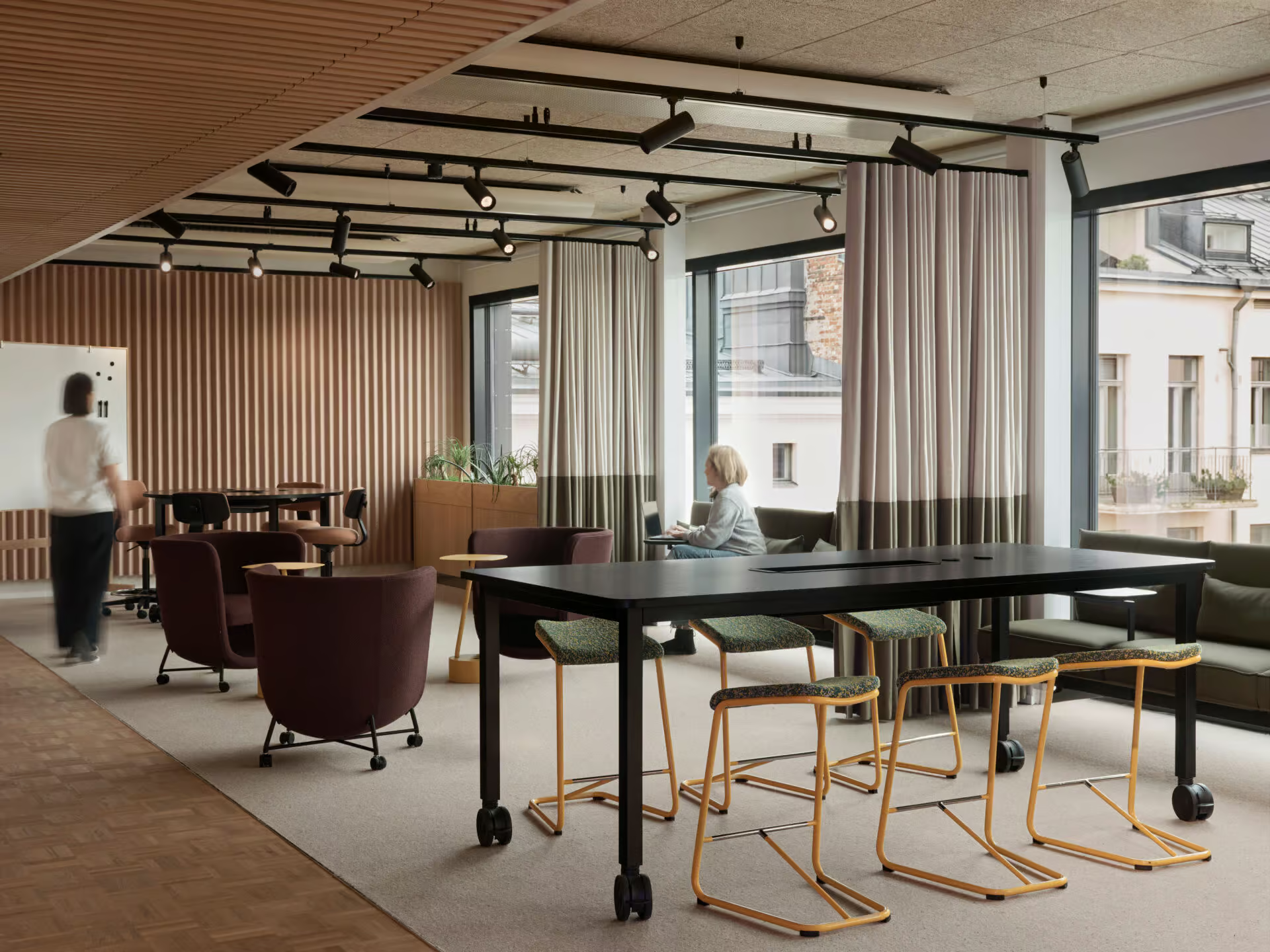
Begin your workday with a consistent routine. This might include reviewing your priorities, organizing your workspace, or a brief planning session before diving into tasks.
Notice when your energy naturally peaks and dips throughout the day. Consider scheduling demanding tasks during high-energy periods and routine work during lower-energy times.
Incorporate movement into your routine. This could be stretching between meetings, walking during phone calls, or taking stairs instead of elevators.
Keep water accessible and take regular hydration breaks. Plan nutritious meals and snacks that sustain energy throughout the day.
Build time for informal interactions with colleagues. Brief conversations during breaks can strengthen relationships and provide mental refreshment.
Close your workday intentionally. Review accomplishments, note tomorrow's priorities, and create a clear boundary between work and personal time.

Employee engagement reflects the emotional commitment individuals have to their work and organization. Healthy routines may support this engagement by helping to manage stress and maintain job satisfaction.
When employees feel their well-being is valued, they may be more likely to be invested in their work. Organizations can support this by encouraging sustainable work practices.
Engagement isn't about working longer hours but about being present and focused during work time. Healthy routines may enable this quality of attention.
Workplace culture significantly influences individual routines. When organizations model and encourage healthy practices, employees may feel more comfortable adopting them.
This includes respecting boundaries around work hours, encouraging breaks, and recognizing that sustainable performance requires rest and recovery.
Allocate specific time blocks for different types of work. This might include focused work periods, communication time, and administrative tasks. Protect these blocks as you would any important meeting.
Include buffer time between blocks to prevent schedule overload and allow for unexpected needs.
Evaluate which meetings truly require your attendance. For necessary meetings, arrive prepared and stay present. Consider whether some meetings could be shorter or less frequent.
Suggest walking meetings when appropriate, combining movement with collaboration.
Maintain an organized physical and digital workspace. A clutter-free environment may reduce mental load and make it easier to focus on priorities.
Personalize your space with elements that support comfort, such as plants or access to natural light.
Establish clear boundaries around availability. This includes communication expectations outside work hours and protecting personal time for rest and recovery.
Communicate these boundaries respectfully but clearly to colleagues and supervisors.
Allocate time for professional development and skill building. This investment in growth may increase engagement and job satisfaction.
Learning doesn't always require formal training; it can include reading, peer discussions, or experimenting with new approaches.
Build in regular time for reflection on what's working. This might be a weekly review of your routines and their effectiveness.
Use these insights to make incremental improvements to your work practices.
Disclaimer: All materials and information presented are for educational purposes only. They do not constitute medical, therapeutic, or professional advice. The content is designed to inform and educate about workplace well-being concepts. For personalized guidance, especially if you have health concerns, consult qualified professionals in relevant fields.
Explore our educational guide on digital well-being or reach out with questions about the information provided.